
BENZODIAZEPINE ADDICTION TREATMENT IN LAGUNA BEACH, CA
Healing from Benzo Addiction by the Ocean
Addiction recovery begins with courage, and the right environment makes that first step possible. At Crystal Cove Recovery in Laguna Beach, California, we combine evidence-based medical detox, individualized therapy, and the peace of the Pacific coast to help you recover safely from Xanax, Valium, Klonopin, Ativan, and other benzodiazepines. Here, recovery feels less like a hospital and more like a turning point. Each phase of treatment is personal, designed around you, your history, and your pace.
Understanding Benzodiazepine Addiction and Withdrawal
Benzodiazepine addiction, also known as benzodiazepine use disorder, is a chronic medical condition that develops when the brain becomes dependent on the calming effects of medications like Xanax, Valium, Klonopin, and Ativan. Benzos work by enhancing GABA — the brain’s primary calming chemical. With prolonged use, the brain suppresses its own natural GABA production. When benzos are removed, the nervous system rebounds with dangerous intensity — making benzodiazepine withdrawal one of the only two withdrawal syndromes that can be directly fatal.
What Happens During Benzodiazepine Withdrawal
| Timeline | Typical Symptoms | What Your Body Is Doing | Medical Care at Crystal Cove |
|---|---|---|---|
| 6–24 hours(short-acting: Xanax, Ativan) 1–4 days(long-acting: Valium, Klonopin) |
Anxiety, restlessness, insomnia, irritability, hand tremors | GABA deficiency as nervous system rebounds; stress hormones surge | Intake assessment, baseline labs, supervised taper protocol begins, 15-minute nursing rounds |
| Days 2–4(short-acting peak) | Severe anxiety, panic attacks, muscle spasms, sweating, rapid heart rate, seizure risk | Peak central nervous system hyperexcitability | Close vital sign monitoring, anticonvulsants as needed, 24/7 physician availability |
| Days 5–14(long-acting peak) | Continued anxiety, insomnia, cognitive fog, sensory hypersensitivity, depression | Gradual GABA receptor recalibration; brain chemistry slowly normalizing | Structured taper continues, therapy introduction, nutritional and sleep support |
| Weeks–Months(protracted withdrawal) | Intermittent anxiety, cognitive fog, mood fluctuations, sleep disturbance | Slow GABA system recovery — can persist months in long-term users | Ongoing therapy, psychiatric collaboration, alumni support, relapse prevention planning |
Sources: SAMHSA, ASAM Clinical Practice Guidelines, NIH/NIDA. Every detox experience is unique — our team personalizes your taper protocol to your specific medication, dose, and health history.

Our Medication Protocol
Crystal Cove Recovery follows evidence-based protocols aligned with ASAM Clinical Practice Guidelines for Benzodiazepine Withdrawal Management. All medication decisions are made individually by our medical director based on your specific benzodiazepine, dose, duration of use, and health history.
-
Supervised Tapering Protocol
Rather than stopping abruptly, our physicians design a gradual dose reduction schedule. For many clients, this involves converting to a longer-acting benzodiazepine such as diazepam (Valium) to allow smoother, more controlled reduction — the gold standard approach for benzo detox.
-
Anticonvulsant Support
Medications such as phenobarbital or carbamazepine may be used to raise the seizure threshold during the highest-risk period of withdrawal, providing an additional layer of safety.
-
Anxiety Management
Supportive medications to ease the intense rebound anxiety that accompanies benzo withdrawal — without introducing new dependence risk.
-
Sleep Support
Insomnia is one of the most distressing symptoms of benzo withdrawal. Sleep medications are prescribed to support rest during the acute phase of detox.
-
15-Minute Nursing Rounds
For the first 72 hours, our nursing team checks on you every 15 minutes monitoring vital signs, symptom severity, and any warning signs of complications including seizure onset.
Phase One: Safe Medical Detox
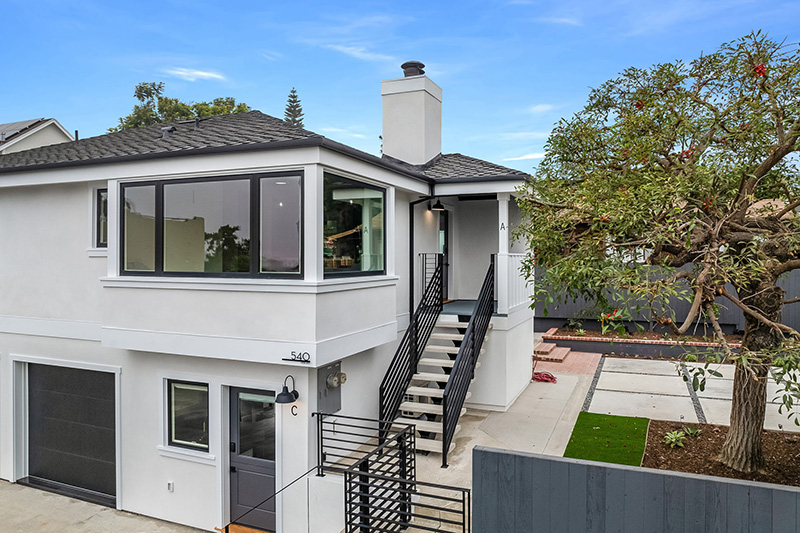
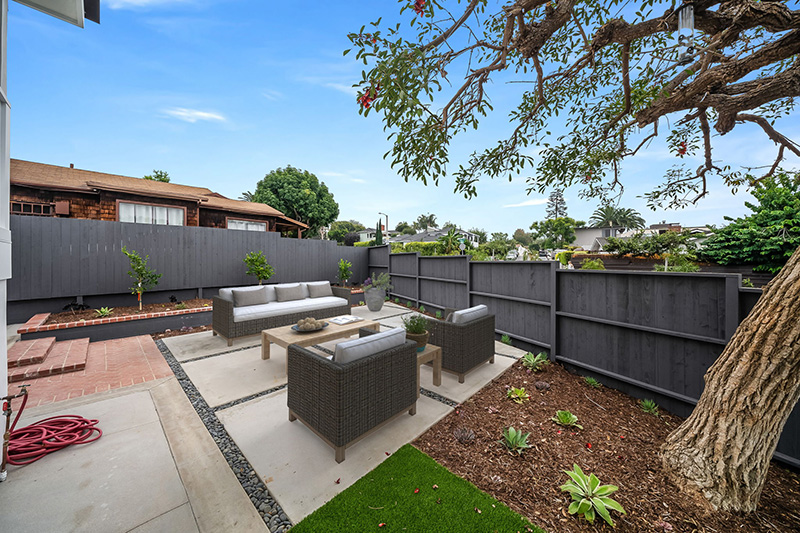
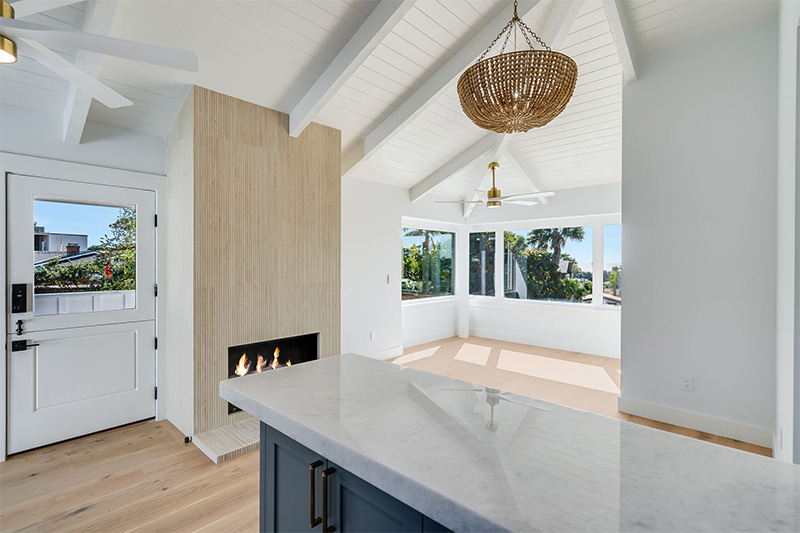
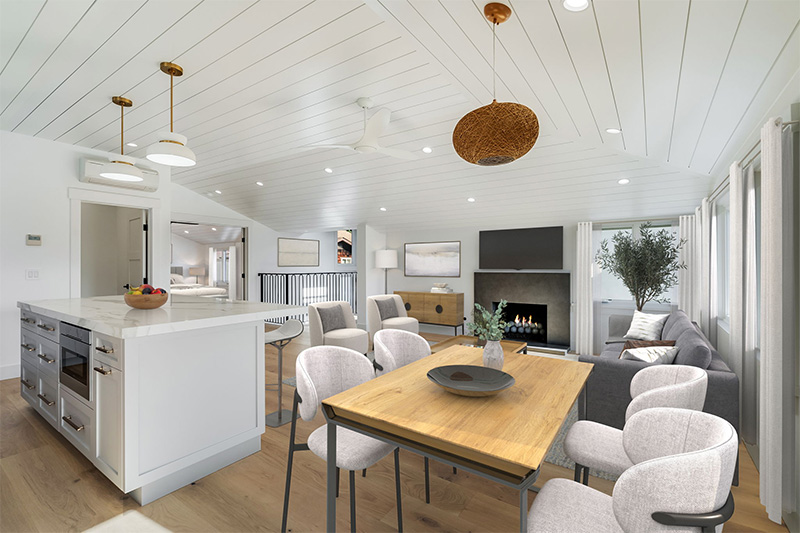
When you arrive, you’ll be greeted by a clinical team trained in benzodiazepine withdrawal management. Your medical detox plan is created after a full physical and psychological assessment, tailored to your specific benzodiazepine, dose, duration of use, and comfort level.
What a Day Might Look Like
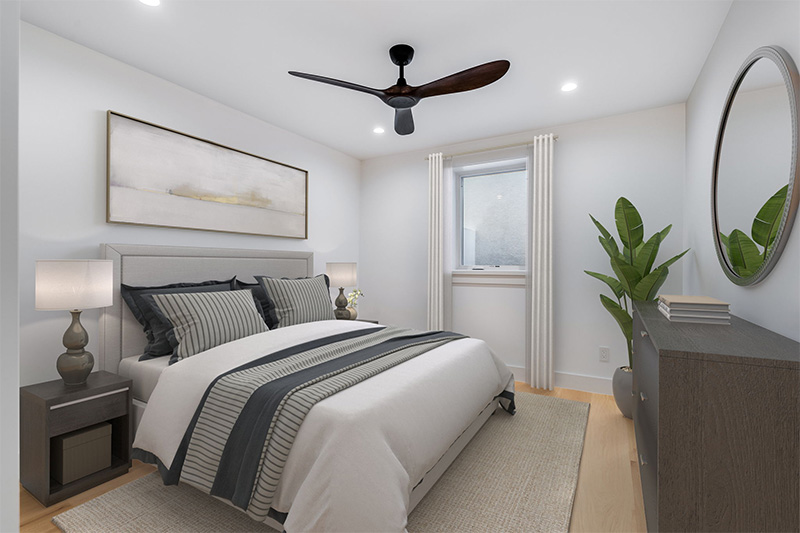
- Morning: Wake to ocean light filtering through your room. Your nurse checks vitals and symptom levels — you are monitored closely and never alone.
- Midday: Taper medications as scheduled, hydration, and light meals. Quiet rest — your comfort is the priority.
- Evening: Gentle grounding, optional mindfulness, and early rest with 24-hour monitoring close by.
Benzo detox is never done cold turkey here. Every hour is managed, measured, and supported by our clinical team.






Phase Two: Residential Benzo Rehab
Once physically stable, recovery shifts to the emotional and behavioral layers of healing. Our Residential Treatment Program in Laguna Beach addresses the anxiety, sleep disruption, and emotional patterns that often drive benzodiazepine dependence — because treating the medication alone is never enough.
What a Personalized Plan Might Include
- Individual therapy (CBT, DBT) to develop non-pharmaceutical anxiety management tools
- Group therapy for connection and shared learning in recovery
- Sleep hygiene counseling — rebuilding healthy, restful sleep without medication
- Mindfulness and breathwork to manage anxiety naturally
- Family therapy to rebuild trust and communication
- Psychiatric collaboration for co-occurring conditions when needed
Many people who became dependent on benzodiazepines were originally prescribed them for anxiety or insomnia. Addressing those underlying conditions is what makes recovery sustainable.
What We Address During This Phase
- Cravings and triggers
- Emotional regulation and stress management
- Relationship rebuilding and self-trust
- Coping skills for daily life
- Long-term relapse prevention
Our therapists use a blend of CBT, DBT, and trauma-informed care to help you understand why you used and to teach you how to live differently, for good.
Phase Three: Emotional and Behavioral Healing
At Crystal Cove, we understand that opioids are often a way to cope with pain, trauma, or stress. Our clinicians help you uncover those patterns safely, using therapy to build new ways of responding.
Common Emotional Themes We Support
- Anxiety and panic that feel overwhelming without medication
- Insomnia and fear around falling or staying asleep
- Low mood or depression during the protracted withdrawal phase
- Stress and irritability while rebuilding daily functioning
- Unresolved trauma or grief connected to benzo use
We focus on stabilization, not labeling or diagnosing separate disorders. If ongoing psychiatric support is needed, we coordinate with licensed psychiatrists and trusted partners for continued care.
Learning to feel safe without medication is the work that makes recovery last.
Phase Four: Preparing for Life Beyond Treatment
Sobriety becomes sustainable when you can live it, not just learn it. Before discharge, you and your case manager design a customized aftercare plan that fits your goals, lifestyle, and support system.
Your Plan May Include
- Outpatient therapy or telehealth sessions
- Sober living coordination through Doghouse Recovery
- Community support meetings and alumni connections
- Ongoing psychiatric support if needed for anxiety or sleep
- Family reintegration coaching and relapse prevention refreshers
Our team remains a resource long after you leave the coast.
Myth vs. Fact: Understanding Benzo Detox
| Myth | Fact |
|---|---|
| "I can just stop taking my benzos on my own." | Abrupt benzo cessation can cause life-threatening seizures and severe psychiatric symptoms. Medical supervision is essential — never stop without a physician's guidance. |
| "Since a doctor prescribed it, I'm not really addicted." | Physical dependence can develop from prescribed use within weeks. A prescription doesn't prevent dependence — and it doesn't mean you don't deserve support. |
| "Benzo withdrawal only takes a week." | Protracted benzo withdrawal can last weeks to months, especially with long-term or high-dose use. Sustained support is important for a full recovery. |
| "I just need to detox and I'll be fine." | Detox addresses physical dependence. Without therapy to address the anxiety or sleep issues driving benzo use, relapse risk remains high. |

Why Choose Crystal Cove Recovery
- Benzo Detox Specialists: Physicians trained in benzodiazepine tapering protocols and seizure management.
- Calming Coastal Environment: Ocean air and natural light naturally reduce the anxiety and stress of benzo withdrawal.
- Sleep Recovery Support: Specialized sleep hygiene coaching to help reclaim restful sleep without medication.
- Anxiety Treatment Expertise: CBT and DBT-based tools to manage anxiety naturally — the foundation for lasting benzo recovery.
- Continuity of Support: Detox to rehab to aftercare — one seamless, compassionate experience.
- Accredited & Trusted: Joint Commission accredited and LegitScript certified.
We don't just treat symptoms. We help you rediscover the calm beneath the chaos.
Resources and References
Frequently Asked Questions About Benzo Detox & Treatment
Is benzodiazepine withdrawal dangerous?
Yes — benzodiazepine withdrawal is one of only two withdrawal syndromes (along with alcohol) that can be directly fatal. Seizures can occur without warning, even in people who have previously withdrawn without incident. This is why medical supervision is not optional — it is essential. Never stop or reduce benzodiazepines without a physician's guidance.
How long does benzo withdrawal last?
For short-acting benzodiazepines (Xanax, Ativan), acute symptoms typically begin within 6–24 hours and peak around days 2–4. For longer-acting benzos (Valium, Klonopin), onset is slower — often 1–4 days — with a peak around days 5–14. Many people also experience protracted withdrawal lasting weeks to months, particularly with long-term or high-dose use.
What is a tapering protocol and why is it used?
A tapering protocol is a medically supervised plan to gradually reduce your benzodiazepine dose over time rather than stopping abruptly. This allows the brain's GABA system to recalibrate slowly, dramatically reducing the risk of seizures and severe withdrawal symptoms. At Crystal Cove, our physicians design individualized taper schedules based on your specific medication, dose, and health history.
I was prescribed benzos by my doctor. Does that mean I'm addicted?
Physical dependence can develop from legitimate prescribed use within weeks — especially with daily use. Dependence is not the same as addiction, but it does mean your body has adapted to the presence of the medication and will react when it is removed. Both dependence and addiction respond well to professional treatment, and neither means you did anything wrong.
What happens after benzo detox at Crystal Cove Recovery?
Detox addresses physical dependence. Recovery addresses the whole person. After medical stabilization, we recommend transitioning directly into our residential treatment program, where licensed therapists work with you on the anxiety, sleep disruption, and emotional patterns driving benzo use. Our aftercare and alumni program provides ongoing support after discharge.
Can benzo addiction be treated alongside anxiety or depression?
Yes — and it should be. Most people who became dependent on benzodiazepines were originally prescribed them for anxiety, panic disorder, or insomnia. Treating only the medication dependence without addressing those underlying conditions leaves recovery incomplete. Our integrated clinical care addresses both simultaneously, and we coordinate with psychiatrists when ongoing medication management is needed.
How long does residential treatment take after benzo detox?
Length of stay depends on your clinical progress, history, and goals. Because benzo withdrawal can be prolonged and protracted withdrawal is common, we often recommend longer residential stays for benzo clients than for some other substances. Research consistently shows that longer treatment duration is associated with better long-term outcomes. Most residential stays range from 30 to 90 days.
Begin Addiction Treatment by the Ocean
The coast has always been a place for clarity, where movement meets stillness and healing feels possible.
At Crystal Cove Recovery, our addiction treatment programs in Laguna Beach, CA offer more than sobriety. They offer a renewed sense of peace, purpose, and belonging.
Let the ocean steady you as you begin again.