
Alcohol Addiction Treatment in Laguna Beach, CA
Healing from Alcohol Addiction by the Ocean
Addiction recovery begins with courage, and the right environment makes that first step possible.
At Crystal Cove Recovery in Laguna Beach, California, we combine evidence-based medical care, individualized therapy, and the peace of the Pacific coast to help you overcome alcohol addiction safely and completely.
Here, recovery feels less like a hospital and more like a turning point. Each phase of treatment is personal, designed around you, your history, and your pace.
Understanding Alcohol Addiction and Withdrawal
Alcohol addiction, also known as alcohol use disorder, is a chronic medical condition that changes the way your brain manages stress, pleasure, and impulse control. Stopping suddenly after long-term or heavy drinking can cause dangerous physical reactions, known as alcohol withdrawal.
What Happens During Alcohol Withdrawal
| Timeline | Typical Symptoms | What Your Body Is Doing | Medical Care at Crystal Cove |
| 6–12 hours | Anxiety, tremors, headache, nausea | Nervous system begins to rebound after alcohol’s depressant effects | Continuous nursing observation, hydration, light meals. 15-minute rounds for the first 72 hours to assess for OD signs and S.I. |
| 12–24 hours | Sweating, rapid heartbeat, irritability, insomnia | Elevated stress hormones and hyperactive brain chemistry | Medication-assisted treatment when appropriate, comfort care. 15-minute rounds for the first 72 hours to assess for OD signs and S.I. |
| 24–72 hours | Seizure risk, disorientation, potential delirium tremens (DTs) | Uncontrolled nervous system activity | Round-the-clock supervision, vital sign tracking. 15-minute rounds for the first 72 hours to assess for OD signs and S.I. |
| 3–7 days | Fatigue, mood swings, depression, lingering insomnia | Stabilization phase as the brain recalibrates dopamine and GABA pathways | Gradual step-down of medication, counseling introduction |
No two detox experiences are the same. Our medical team personalizes every plan, adjusting medication levels, nutrition, and pacing to your body’s response.
Medical Warning: Alcohol withdrawal is one of only two withdrawal syndromes (along with benzodiazepines) that can be directly fatal. Never attempt to stop drinking abruptly without medical supervision. Call us at (949) 990-3216 before making any changes.
Why Medical Assessment Comes First: The CIWA-Ar Scale
Not all alcohol withdrawal looks the same. Two people with similar drinking histories can have very different withdrawal experiences. This is why every client admitted to Crystal Cove Recovery for alcohol withdrawal is assessed using the Clinical Institute Withdrawal Assessment for Alcohol (CIWA-Ar) — the gold standard clinical tool used by addiction medicine physicians to measure withdrawal severity and guide treatment decisions.
The CIWA-Ar evaluates ten distinct withdrawal symptoms, scoring each on a scale to produce a total severity rating. That score determines whether you need minimal monitoring, symptom-triggered medication, or intensive pharmacological management. It's re-administered at regular intervals throughout detox so your care evolves with your body's response.
Nausea & Vomiting
Assessed and managed with anti-emetics to protect hydration and comfort.
Tremors
Outstretched hand tremors are a key early indicator of CNS hyperexcitability.
Diaphoresis (Sweating)
Autonomic instability indicator; monitored alongside heart rate and blood pressure.
Anxiety
Distinguished from baseline anxiety to track withdrawal-specific agitation.
Agitation
Psychomotor restlessness is a key escalation signal for our nursing team.
Perceptual Disturbances
Auditory, visual, or tactile hallucinations indicate moderate-to-severe withdrawal.
Headache
Fullness or banding headache common in early withdrawal; tracked and treated.
Orientation
Confusion or disorientation signals potential escalation toward delirium tremens.
Seizure Risk: What You Need to Know
Alcohol withdrawal seizures most commonly occur within 12–48 hours of the last drink and can strike without warning — even in people who have withdrawn before without seizing. Each successive withdrawal episode can sensitize the brain further, a phenomenon known as kindling, which means the risk can increase with repeated detox attempts.
Our medical team monitors for seizure risk throughout the first 72 hours using both CIWA-Ar scoring and continuous nursing observation. Benzodiazepine-based protocols — the clinical standard for alcohol withdrawal — are administered at the appropriate dose and schedule to raise the seizure threshold and protect you through the highest-risk window.
Delirium Tremens: The Most Serious Risk
Delirium tremens (DTs) typically develops 48–72 hours after the last drink and represents the most severe form of alcohol withdrawal. Symptoms include profound confusion, severe autonomic instability (rapidly fluctuating heart rate and blood pressure), fever, and psychosis. According to research published in the National Library of Medicine, untreated DTs carry a mortality rate of up to 37% — but that figure drops to under 5% with prompt, appropriate medical intervention.
This is the single most important reason that alcohol detox requires inpatient medical care. Our team is equipped to recognize DT onset immediately and respond with the medications and monitoring required to keep you safe through it.
Our Medication Protocol
Crystal Cove Recovery follows evidence-based protocols aligned with ASAM Clinical Guidelines for Alcohol Withdrawal Management. Medication decisions are made individually by our medical director based on your CIWA-Ar score, health history, and clinical presentation.
-
Benzodiazepine Protocol
Lorazepam or diazepam administered on a symptom-triggered or fixed schedule to prevent seizures and reduce withdrawal severity. The gold standard in alcohol detox pharmacology.
-
Thiamine (Vitamin B1)
Administered to all alcohol withdrawal patients to prevent Wernicke's encephalopathy — a serious neurological complication of alcohol-related thiamine deficiency.
-
Magnesium Supplementation
Heavy alcohol use depletes magnesium, which can lower the seizure threshold. Repleted as part of standard detox care.
-
Supportive Medications
Anti-nausea agents, sleep support, hydration, and nutritional supplementation tailored to your individual needs throughout the detox period.







Phase One: Safe Medical Detox
When you arrive, you’ll be greeted by a clinical team trained in alcohol withdrawal management. Your medical detox plan is created after a full physical and psychological assessment, tailored to your health history, drinking pattern, and comfort level.
What a Day Might Look Like
- Morning: Wake to ocean light filtering through your room. Your nurse checks vitals and comfort levels.
- Midday: Hydration, light meals, and medications as prescribed. You rest, read, or meditate with soft ocean sound nearby.
- Evening: Gentle reflection, optional mindfulness exercises, and early rest with 24-hour monitoring close by.
You are never alone. From your first night through stabilization, our medical team remains on-site to ensure every hour is safe and supported.
Phase Two: Residential Alcohol Rehab
Once withdrawal symptoms subside, recovery shifts to the emotional and behavioral layers of healing. Our Residential Treatment Program in Laguna Beach offers the structure, therapy, and serenity needed to rebuild your life, one day at a time.
What a Personalized Plan Might Include
- Individual therapy (CBT, DBT, trauma-informed care) to understand your triggers
- Group therapy for connection and shared learning
- Family therapy to restore trust and communication
- Wellness activities such as yoga, nature walks, mindfulness, or journaling
- Relapse prevention training customized to your stressors
Some clients focus deeply on trauma work. Others spend more time developing coping skills or rebuilding confidence. There is no single path, only yours.
A Day in Phase Two
| Time | Activity |
| 7:30 AM | Breakfast overlooking the water. Gentle routine builds grounding. |
| 9:00 AM | Individual therapy focused on emotional regulation and relapse patterns. |
| 11:00 AM | Mindfulness or light movement by the beach path. |
| 2:00 PM | Group session on communication and accountability. |
| 4:00 PM | Journaling, reflection, or rest in your room. |
| 6:00 PM | Dinner and evening support circle. |
Every schedule flexes with your energy, clinical needs, and progress.
Phase Three: Emotional and Behavioral Healing
At Crystal Cove, we understand that alcohol is often a way to cope with stress, sadness, or memories. Our clinicians help you uncover those patterns safely, using therapy to build new ways of responding.
Common Emotional Themes We Support
- Anxiety and restlessness during early sobriety
- Low motivation or depression after withdrawal
- Stress and irritability while rebuilding relationships
- Unresolved grief or trauma linked to substance use
We focus on stabilization, not labeling or diagnosing separate disorders. If ongoing mental health support is needed, we coordinate with licensed psychiatrists and trusted partners for continued care.
Healing your emotions is what helps you stay sober and stay grounded.
Phase Four: Preparing for Life Beyond Treatment
Sobriety becomes sustainable when you can live it, not just learn it. Before discharge, you and your case manager design a customized aftercare plan that fits your goals, lifestyle, and support system.
Your Plan May Include
- Outpatient therapy or telehealth sessions
- Sober living coordination through Doghouse Recovery
- Community support meetings and alumni connections
- Family reintegration coaching and relapse prevention refreshers
Our team remains a resource long after you leave the coast.
Myth vs. Fact: Understanding Alcohol Detox
| Myth | Fact |
| “I can detox at home if I taper.” | Alcohol withdrawal can cause seizures and be fatal without supervision. Medical detox is safest. |
| “Rehab only works if you stay 28 days.” | Program length depends on your body, progress, and clinical recommendations, not a fixed number. |
| “If I go to detox, I’ll lose my job.” | Many clients take protected medical leave (FMLA). Our admissions team can guide you confidentially. |
| “I don’t drink every day, so I don’t need detox.” | Withdrawal risk depends on overall consumption and tolerance, not daily use alone. |
Why Choose Crystal Cove Recovery
- Clinical Expertise: Licensed professionals trained in ASAM alcohol withdrawal protocols.
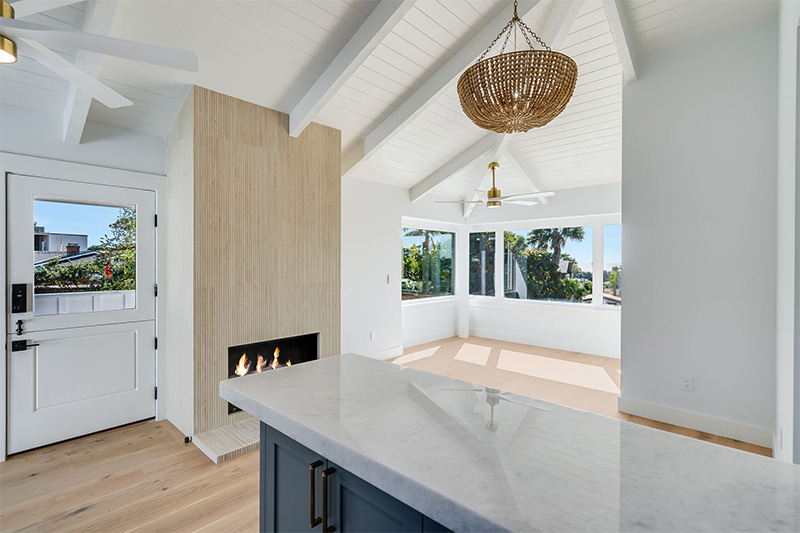
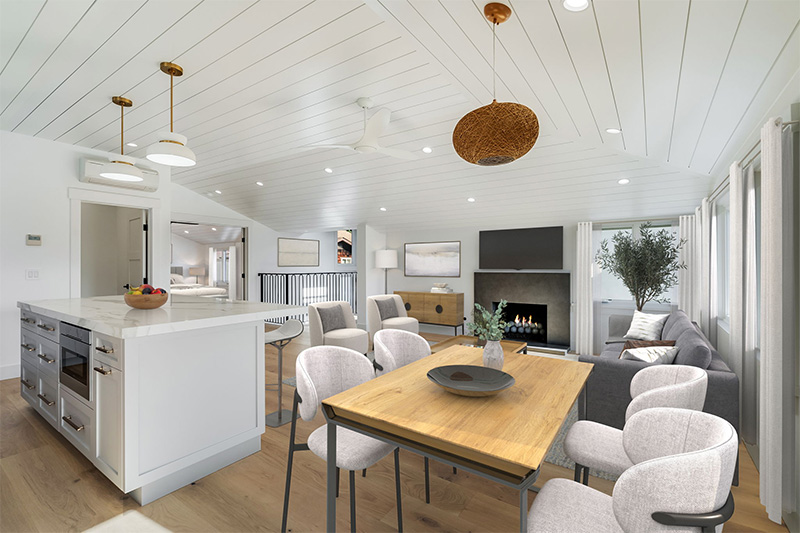
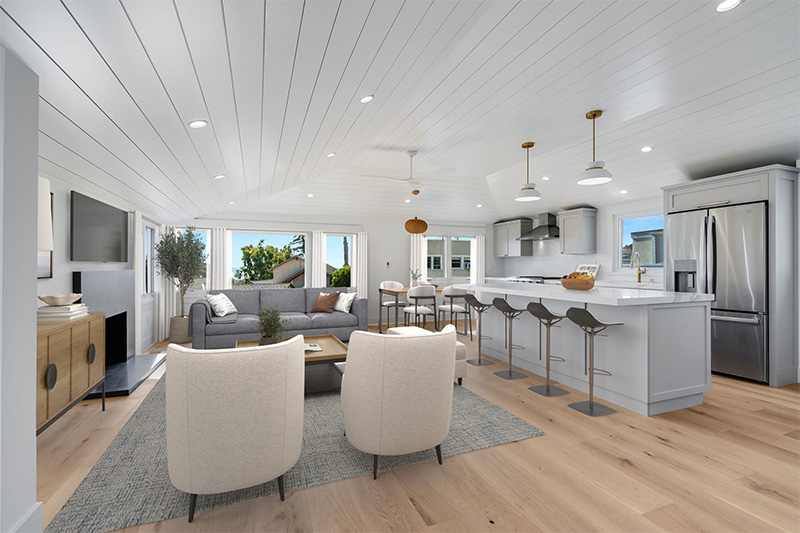
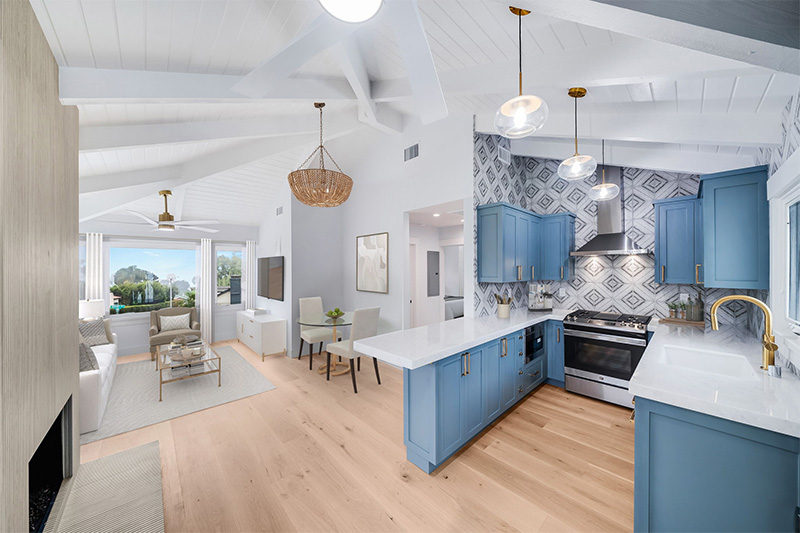
- Coastal Environment: Ocean air, natural light, and peaceful surroundings that can reduce stress and support mood.
- Individualized Care: Every plan evolves daily, guided by your health, comfort, and goals.
- Continuity of Support: Detox to rehab to aftercare, one seamless, compassionate experience.
We don’t just treat symptoms. We help you rediscover the calm beneath the chaos.
Frequently Asked Questions About Alcohol Detox & Treatment
How long does alcohol withdrawal last?
The acute withdrawal period typically lasts 5–7 days. Mild symptoms like anxiety and sleep disruption can begin within 6 hours of the last drink, peaking at 24–72 hours. A subset of individuals experiences post-acute withdrawal syndrome (PAWS) — lingering symptoms including mood instability, sleep disruption, and reduced stress tolerance — for weeks to months after the acute phase resolves. Our team monitors and supports through all phases.
Is it safe to detox from alcohol at home?
For anyone with moderate-to-heavy alcohol dependence, home detox is not safe and should not be attempted. The risk of seizures and delirium tremens is real and cannot be managed without medical support. This applies even to people who have previously stopped drinking without serious symptoms — risk can increase with each successive withdrawal attempt due to a phenomenon called kindling. Please call us at (949) 990-3216 before attempting to stop drinking on your own.
What medications are used during alcohol detox at Crystal Cove?
The clinical standard is a benzodiazepine protocol — typically lorazepam or diazepam — administered on a symptom-triggered or fixed schedule based on your CIWA-Ar score. Thiamine (Vitamin B1) and magnesium are given to prevent neurological complications. Anti-nausea medications, sleep support, and hydration therapy are added based on individual needs. All medication decisions are made by our medical director.
How is alcohol use disorder different from just drinking too much?
Alcohol use disorder (AUD) is a clinically diagnosed chronic condition characterized by compulsive alcohol use, loss of control over drinking, and a negative emotional state when not drinking. It exists on a spectrum from mild to severe. Physical dependence — where the body requires alcohol to function normally and experiences withdrawal without it — typically develops in moderate-to-severe AUD. You do not need to drink every day to have AUD or to be at risk during withdrawal.
What happens after detox at Crystal Cove Recovery?
Detox addresses physical dependence. Recovery addresses the whole person. After medical stabilization, we recommend transitioning directly into our residential treatment program, where licensed therapists work with you on the psychological, behavioral, and emotional patterns that drive alcohol use. Our aftercare and alumni program provides ongoing support after discharge.
Can alcohol use disorder be treated if I also have anxiety or depression?
Yes — and it should be. Co-occurring mental health conditions are extremely common in alcohol use disorder. Anxiety and depression frequently both drive and result from heavy drinking, creating a cycle that neither condition-specific treatment alone can fully break. Our dual diagnosis program addresses both simultaneously with integrated clinical care.
How long does residential treatment take after alcohol detox?
There is no single correct answer — length of stay depends on your clinical progress, history, and goals. Research consistently shows that longer treatment duration is associated with better long-term outcomes. We assess your progress weekly and make recommendations based on what your recovery actually needs, not what a fixed program schedule dictates. Most residential stays range from 30 to 90 days.