
Mindfulness & Meditation in Laguna Beach, CA
Stillness as a Skill, by the Ocean
Cravings, stress, and difficult emotions often feel like they demand an immediate reaction. Mindfulness and meditation teach a different response: noticing what’s happening in the moment without immediately acting on it. At Crystal Cove Recovery, mindfulness practice is used alongside other therapies to help you build awareness, tolerate discomfort, and create space between an urge and a decision — set against the natural calm of the Laguna Beach coastline.
Understanding Mindfulness & Meditation in Recovery
Cravings, stress, and difficult emotions often feel like they demand an immediate reaction. Mindfulness and meditation teach a different response: noticing what's happening in the moment without immediately acting on it. According to the NIH's National Center for Complementary and Integrative Health (NCCIH), mindfulness-based practices may help people in recovery from substance use disorders, and research also suggests mindfulness can help reduce symptoms of PTSD, which frequently co-occurs with substance use.
At Crystal Cove Recovery, mindfulness is used alongside other clinical therapies to help you build awareness, tolerate discomfort, and create space between an urge and a decision — practiced in a setting shaped by the calm of the Laguna Beach coastline.
What Mindfulness Practice Includes
Mindfulness isn't one single exercise — it's a set of practices you can build on over time.
Breath Awareness
Using the breath as an anchor to the present moment during stress or cravings.
Body Scanning
Noticing physical sensations without judgment or immediate reaction.
Guided Meditation
Structured sessions led by a clinician to build the practice gradually.
Urge Surfing
Learning to observe a craving rise and fall without acting on it.
What to Expect in Your First Session
Your first mindfulness session is low-pressure — there's no "right way" to meditate. Your therapist will introduce basic breath and awareness techniques, check in on what feels accessible to you, and start building a short daily practice you can realistically stick with. This isn't about achieving a completely quiet mind; it's about noticing what's there without immediately reacting to it.
What a Mindfulness Session Looks Like
Ground and Settle
A short breath or body-awareness exercise to arrive in the present moment.
Observe Without Reacting
Practice noticing thoughts, cravings, or emotions without immediately acting on them.
Carry It Forward
Build a short daily practice you can use outside of formal sessions.
Who Mindfulness & Meditation Helps
Mindfulness is often used alongside other therapies rather than as a standalone treatment, and can be especially useful for:
Craving Management
Creating space between an urge and a reaction.
Co-Occurring PTSD
Research suggests mindfulness may help reduce PTSD symptoms.
High Stress or Anxiety
Building tolerance for discomfort without needing to escape it.
Relapse Prevention
Often incorporated into broader relapse prevention planning.
Signs Mindfulness May Be Right for You
- You notice cravings or stress build quickly, with little space to respond.
- You want practical tools you can use anywhere, not just in a session.
- You're curious about mind-body approaches alongside clinical treatment.
- You'd like tools that support other therapies like CBT or relapse prevention.
- You want something you can continue long after treatment ends.
Mindfulness: Myth vs. Fact
| Myth | Fact |
|---|---|
| Mindfulness means clearing your mind completely. | It means noticing thoughts and sensations without judgment, not eliminating them. |
| It's a replacement for clinical therapy. | It's used alongside evidence-based therapies, not instead of them. |
| You have to be naturally calm to do it well. | Mindfulness is a skill built through practice, not a trait you're born with. |
| The research on mindfulness for addiction is settled. | NCCIH notes findings are promising but still developing, with more research needed. |
Why Choose Crystal Cove Recovery for Mindfulness & Meditation
Licensed Clinicians
Mindfulness practice is guided by trained treatment professionals, not standalone instructors.
Integrated Approach
Paired with therapies like CBT and relapse prevention for a cohesive plan.
Accessible for Everyone
No prior meditation experience needed to begin.
A Coastal Setting
Practicing presence in a calm, ocean-adjacent environment.
Frequently Asked Questions
Do I need experience with meditation to start?
No. Sessions are designed to be accessible for complete beginners.
Is mindfulness a replacement for therapies like CBT?
No — it's typically used alongside therapies like CBT and relapse prevention, not in place of them.
How is mindfulness different from just relaxing?
Relaxation is often a byproduct, but the main goal is building awareness of thoughts and sensations without automatically reacting to them.
Does the research really support this for addiction?
Early research is promising — NCCIH notes mindfulness may help reduce substance use and related symptoms like cravings — though more high-quality studies are still needed to fully confirm its effects specifically for substance use disorders.
Does insurance cover mindfulness sessions?
Coverage varies by plan and how it's incorporated into your treatment. Verify your insurance and our admissions team can walk you through specifics.
What if I find it hard to sit still or focus?
That's common, especially early on. Your therapist will adjust the practice to something manageable rather than expecting perfect stillness right away.
Resources & References
- National Center for Complementary and Integrative Health (NCCIH), NIH — Meditation and Mindfulness: Effectiveness and Safety
Build Stillness as a Skill, by the Ocean
Learn to create space between an urge and a decision. Our team is here to guide you.








Begin Addiction Treatment by the Ocean
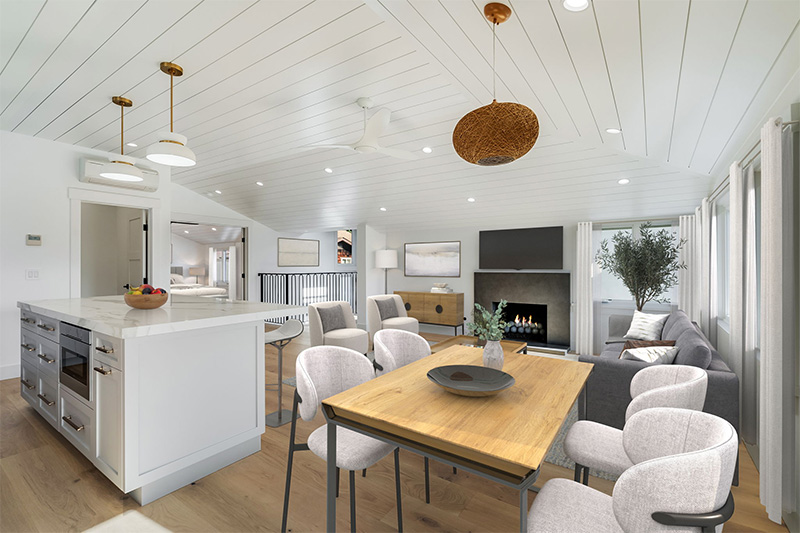
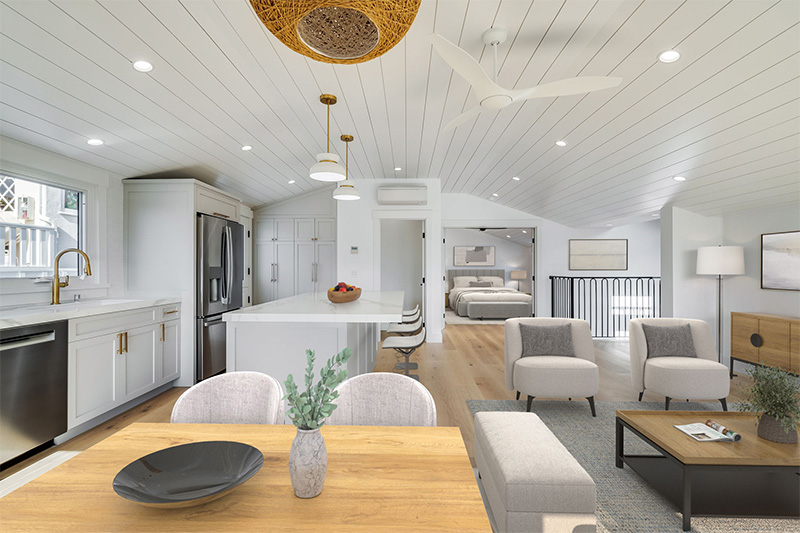
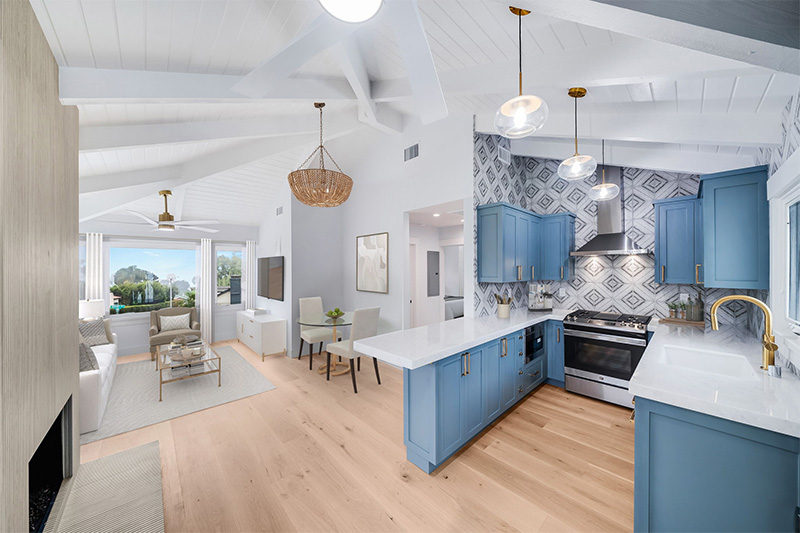
The coast has always been a place for clarity, where movement meets stillness and healing feels possible.
At Crystal Cove Recovery, our addiction treatment programs in Laguna Beach, CA offer more than sobriety. They offer a renewed sense of peace, purpose, and belonging.
Let the ocean steady you as you begin again.