
DIALECTICAL BEHAVIORAL THERAPY IN LAGUNA BEACH, CA
Balancing Change and Acceptance by the Ocean
Dialectical Behavior Therapy (DBT) was developed to help people who feel overwhelmed by intense emotions — and for many people in recovery, those emotions are exactly what fuel substance use. At Crystal Cove Recovery, our DBT program teaches practical skills for managing distress, regulating emotion, and staying grounded in relationships, so you’re equipped to face triggers without turning to substances.
Understanding Dialectical Behavior Therapy
Dialectical Behavior Therapy (DBT) was developed by Dr. Marsha Linehan to help people who feel overwhelmed by intense emotions. The word "dialectical" refers to holding two seemingly opposite ideas at once — accepting yourself exactly as you are right now, while also committing to change. For many people in recovery, substance use has been a way of managing emotions that felt too big to handle. DBT gives you a structured, skills-based alternative.
At Crystal Cove Recovery, our DBT program is adapted specifically for substance use recovery (DBT-SUD), building on a foundation of research showing it can be effective for individuals managing both emotional dysregulation and a substance use disorder.
The Four Skill Modules of DBT
DBT is organized around four core skill areas. You'll work through each one, building a toolkit you can rely on long after treatment.
Mindfulness
Staying present and aware of your thoughts and urges without immediately reacting to them.
Distress Tolerance
Getting through painful moments and cravings without turning to substances.
Emotion Regulation
Understanding and managing intense emotions before they escalate.
Interpersonal Effectiveness
Communicating needs and setting boundaries in relationships that affect recovery.
What to Expect in Your First Session
Your first DBT session focuses on orientation and commitment. Your therapist will walk you through how DBT works, discuss the emotional patterns that tend to precede substance use for you, and introduce the skill areas you'll be building toward. DBT often involves both individual sessions and skills-training groups, so you'll also learn how those pieces fit together in your specific treatment plan.
What a DBT Session Looks Like
DBT combines individual therapy with structured skills practice.
Review and Check-In
You and your therapist review recent emotional experiences and any urges to use.
Skill Building
You learn and practice a specific skill from one of the four modules.
Apply and Track
You practice the skill in daily life and track what worked before your next session.
Who DBT Helps
DBT was originally developed for individuals with borderline personality disorder (BPD) and has since been adapted to address substance use disorders directly. Research has pointed to DBT as a particularly strong option for people managing both conditions together, since emotional dysregulation and substance use are often closely connected.
Substance Use Disorders
Especially where emotions are a major driver of use.
Borderline Personality Disorder
DBT's original and most-researched application.
Intense or Unstable Emotions
Building tolerance and regulation skills for daily life.
Relationship Difficulties
Improving communication that affects long-term recovery.
Signs DBT May Be Right for You
DBT tends to be a strong fit if any of the following sound familiar:
- Your emotions feel intense, fast-moving, or hard to control.
- You've used substances to numb or escape difficult feelings.
- Relationships often feel unstable or difficult to navigate.
- You've experienced self-harm thoughts or behaviors alongside substance use.
- You want structured, practical skills rather than open-ended talk therapy.
DBT: Myth vs. Fact
| Myth | Fact |
|---|---|
| DBT is only for people with BPD. | While DBT was developed for BPD, it has been adapted specifically for substance use disorders and is used well beyond that original population. |
| DBT means accepting bad behavior. | Acceptance in DBT means acknowledging where you are right now — it works alongside, not instead of, active change. |
| DBT is just about staying calm. | DBT covers four distinct skill areas, including emotion regulation and interpersonal effectiveness, not just calming techniques. |
| DBT doesn't involve groups. | DBT typically combines individual therapy with skills-training groups. |
Why Choose Crystal Cove Recovery for DBT
Licensed Clinicians
DBT is delivered by licensed mental health professionals trained in DBT-SUD adaptations.
Individual and Group Formats
Skills training and individual therapy work together for a complete DBT experience.
Integrated Care
DBT is coordinated alongside your medical, clinical, and holistic care.
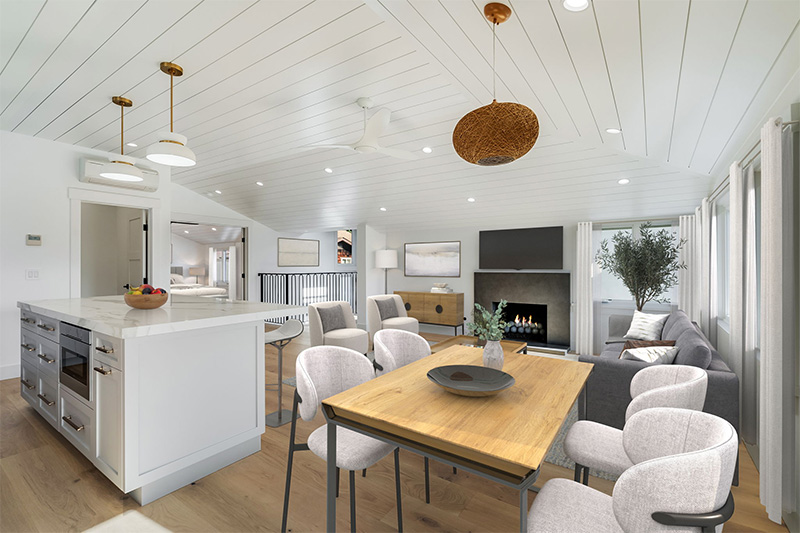
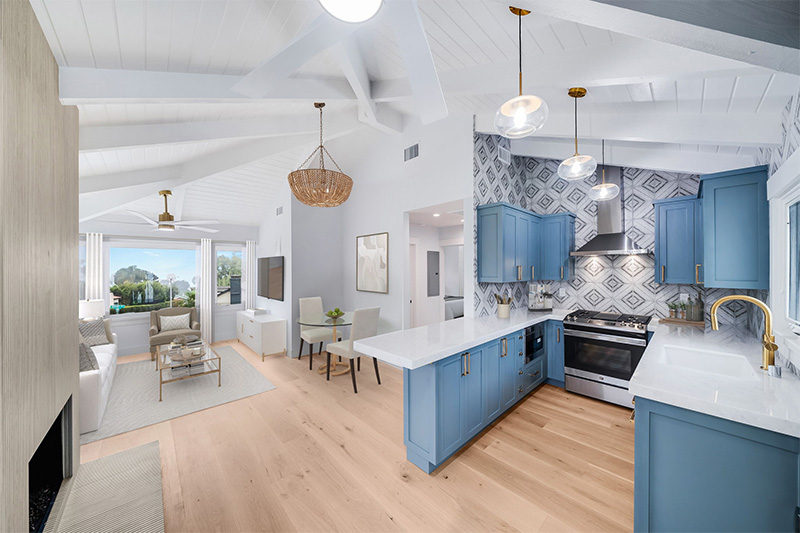
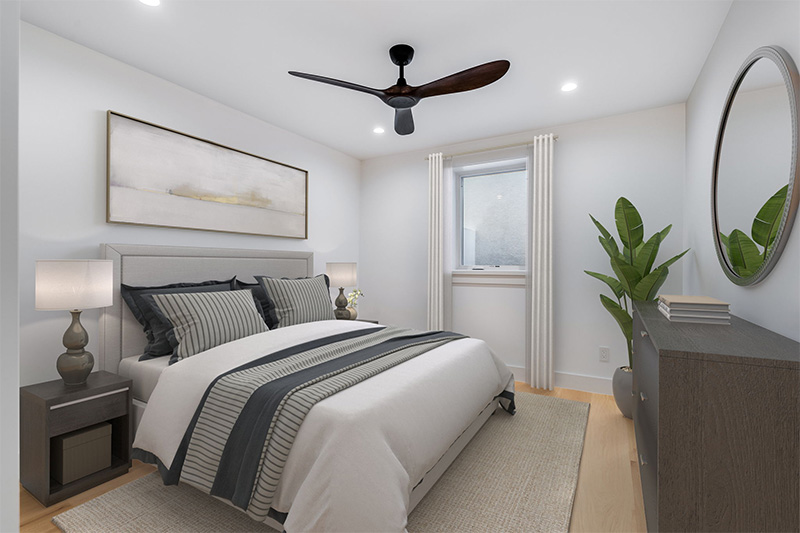
A Coastal Setting
Sessions take place in a calm, ocean-adjacent environment that supports emotional grounding.
Frequently Asked Questions
What's the difference between DBT and CBT?
Both are structured, skills-based therapies, but DBT places more emphasis on emotional regulation, distress tolerance, and balancing acceptance with change, while CBT focuses more directly on identifying and restructuring thought patterns.
Do I need a BPD diagnosis to do DBT?
No. DBT has been adapted specifically for substance use disorders and is offered based on what will be most helpful for your recovery, not a specific diagnosis.
Is DBT individual or group therapy?
Typically both. DBT usually combines individual sessions with structured skills-training groups.
How long does DBT take?
DBT is often longer-term than some other therapies, since it involves building and practicing four distinct skill sets. Your care team will discuss an appropriate timeline for your situation.
Will I have homework in DBT?
Yes — practicing skills between sessions, often using tracking tools like a diary card, is a core part of DBT.
Does insurance cover DBT at Crystal Cove Recovery?
Many insurance plans cover DBT as part of addiction treatment. Verify your insurance and our admissions team will walk you through your coverage.
Can DBT help if substances have been my main coping mechanism?
Yes — this is one of the primary reasons DBT-SUD was developed, to give you alternative ways to manage emotions that substances were previously masking.
What if I struggle with the skills at first?
That's expected. Skills take repeated practice, and your therapist will work with you to adjust and reinforce them as you go.
Resources & References
- National Institutes of Health (NIH) — Dialectical Behavior Therapy: Current Indications and Unique Elements
- National Institutes of Health (NIH) — Intensive DBT for Individuals With BPD With and Without Substance Use Disorders
Begin Dialectical Behavior Therapy by the Ocean
You don't have to choose between accepting where you are and working toward change. Our team is ready to help you build both.








Begin Addiction Treatment by the Ocean
The coast has always been a place for clarity, where movement meets stillness and healing feels possible.
At Crystal Cove Recovery, our addiction treatment programs in Laguna Beach, CA offer more than sobriety. They offer a renewed sense of peace, purpose, and belonging.
Let the ocean steady you as you begin again.