
What is the East Coast Symposium, and why did Crystal Cove Recovery attend?
The East Coast Symposium is a national continuing education conference for addiction and behavioral health professionals, held October 9–11, 2026, in West Palm Beach, Florida. Dr. DeAnna Crosby, Clinical Supervisor at Crystal Cove Recovery, attended to bring the latest evidence-based practices back to our clients in Laguna Beach, California.
At Crystal Cove Recovery, we believe excellent care depends on a clinical team that never stops learning. That is exactly why our Clinical Supervisor, Dr. DeAnna Crosby, traveled across the country this fall to attend the 2026 East Coast Symposium. In addition, her attendance reflects a commitment our entire team shares: bringing the most current, research-backed approaches home to the people we serve.
In this article, we explain what the East Coast Symposium is, which topics stood out on this year’s agenda, and how those insights will strengthen treatment at our Laguna Beach facility. Furthermore, we share what these advances can mean for you or a loved one who is ready to begin recovery.
What Is the East Coast Symposium?

The East Coast Symposium is one of the Symposia on Addictive Disorders, a series of national education events produced by HMP Global for professionals in addiction treatment and behavioral health. In 2026, the event took place at the Hilton West Palm Beach from October 9 through October 11. As a result, it closed out the national symposia season in its new South Florida home.
According to the official East Coast Symposium agenda, the program features more than 25 sessions led by more than 30 expert faculty, and it offers more than 20 continuing education credits. Moreover, the faculty represent leading treatment centers, academic institutions, mental health systems, and recovery organizations.
Who Attends the East Coast Symposium?
The East Coast Symposium is designed for a wide range of professionals. For example, attendees include physicians, psychologists, nurses, therapists, social workers, addiction counselors, peer support specialists, recovery coaches, and treatment center leaders. Because so many disciplines gather in one place, the event encourages collaboration across roles. Consequently, clinicians leave with ideas they can apply in the therapy room, at the bedside, and throughout the full continuum of care.
Why Did Crystal Cove Recovery Attend the East Coast Symposium?
Addiction treatment changes quickly. New substances appear, research evolves, and clients arrive with increasingly complex needs. Therefore, our team makes continuing education a priority rather than an afterthought.
Dr. DeAnna Crosby serves as Clinical Supervisor at Crystal Cove Recovery, where she helps guide the quality and consistency of the therapy our clients receive. By attending the East Coast Symposium, she was able to learn directly from national experts, compare approaches with peers from other programs, and identify practical tools our clinicians can use right away. Ultimately, every session she attended was an investment in the people who trust us with their recovery.
In short, a clinical team is only as strong as its willingness to grow. Similarly, the best treatment programs treat education as an ongoing process, not a one-time credential.
You May Also Enjoy: Crystal Cove Recovery Attends the 2026 PIT Conference
What Were the Key Themes at the 2026 East Coast Symposium?
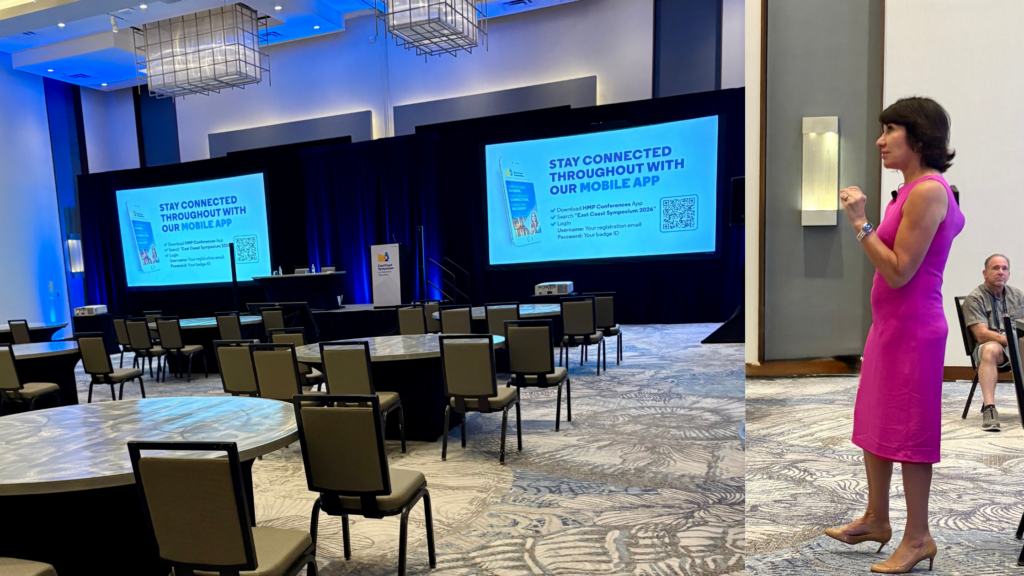
The 2026 East Coast Symposium agenda reflected the real challenges clinicians face today, including rising acuity, complex family systems, emerging drugs, and the need for compassionate, sustainable care. Specifically, the program covered trauma and dissociation, harm reduction, ethics, cannabis and clinical risk, GLP-1 medications, adolescent engagement, recovery capital, body image, anger management, seniors and substance use, nutrition, and co-occurring disorders.
Below, we highlight several themes that are especially relevant to the adults we treat at Crystal Cove Recovery.
How Is Trauma-Informed Care Evolving?
Trauma and dissociation were central topics at this year’s East Coast Symposium. This focus makes sense, because trauma and substance use are closely connected. In fact, many people first turn to alcohol or drugs to numb painful memories, quiet anxiety, or escape feelings they could not otherwise manage.
The Substance Abuse and Mental Health Services Administration describes a trauma-informed approach as one that recognizes the widespread impact of trauma, responds with understanding, and actively avoids re-traumatization. Likewise, the National Institute of Mental Health notes that post-traumatic stress disorder can develop after a shocking, frightening, or dangerous event and can affect daily life long after the event itself.
People in recovery often say the same thing in their own words. For instance, in a Reddit thread on r/OpiatesRecovery titled “Does anybody struggle with past shame and embarrassment?“, one user described what made the biggest difference for them:
“What helped me the most was really intense trauma therapy with a qualified professional.”
— u/misdiagnosisxx1, r/OpiatesRecovery
That insight mirrors what the East Coast Symposium faculty emphasized: treating addiction without addressing trauma often leaves the root cause untouched. For this reason, trauma-informed therapy is a core part of care at Crystal Cove Recovery.
You May Also Enjoy: Can Trauma Cause Addiction?
Why Are Co-Occurring Disorders a Growing Focus?
Co-occurring disorders, sometimes called dual diagnosis, occur when a person lives with both a substance use disorder and a mental health condition such as depression, anxiety, bipolar disorder, or PTSD. According to the National Institute on Drug Abuse, substance use disorders and other mental illnesses frequently occur together, and each can make the other worse.
As a result, treating only one condition rarely leads to lasting recovery. Instead, integrated care addresses both at the same time, with a single coordinated plan. Several East Coast Symposium sessions explored how clinicians can better identify co-occurring conditions early and adjust treatment as symptoms change.
What Did Clinicians Learn About Cannabis, GLP-1s, and Emerging Risks?
The landscape of substance use keeps shifting. For example, the agenda included sessions on cannabis and clinical risk, which is increasingly important as higher-potency products become more widely available.
In addition, GLP-1 medications such as semaglutide drew attention as an emerging area of research. A 2025 randomized clinical trial published in JAMA Psychiatry and indexed on PubMed found that once-weekly semaglutide reduced some measures of alcohol consumption in adults with alcohol use disorder. However, researchers stress that larger studies are still needed, and these medications are not yet a standard treatment for addiction. Even so, staying informed about promising research helps clinicians answer client questions accurately and responsibly.
How Do Motivational Interviewing and Contingency Management Support Recovery?
Faculty at the East Coast Symposium also guided attendees through practical frameworks grounded in motivational interviewing, contingency management, and strengths-based treatment planning.
Motivational interviewing is a collaborative, non-judgmental style of counseling that helps people explore their own reasons for change. Meanwhile, contingency management uses tangible rewards to reinforce positive behaviors, such as negative drug tests. The National Institute on Drug Abuse includes behavioral approaches like these among the evidence-based options described in its Principles of Drug Addiction Treatment.
Together, these approaches meet people where they are. Consequently, clients are more likely to stay engaged, especially during the vulnerable early weeks of treatment.
What Is Recovery Capital, and Why Does It Matter?
Recovery capital refers to the internal and external resources a person can draw on to start and sustain recovery. These include stable housing, supportive relationships, employment, physical health, purpose, and coping skills.
Similarly, SAMHSA describes recovery as a process of change through which people improve their health and wellness, live self-directed lives, and strive to reach their full potential. In other words, recovery is about much more than stopping substance use. It is about building a life that makes sobriety worth protecting.
At the East Coast Symposium, presenters emphasized resilience-building and strengths-based planning as ways to grow recovery capital. Accordingly, programs that invest in aftercare, family involvement, and life skills tend to give clients stronger footing after discharge.
How Will East Coast Symposium Insights Shape Care at Crystal Cove Recovery?
Attending a conference is only valuable if the learning reaches clients. For that reason, Dr. Crosby is sharing key takeaways from the East Coast Symposium with our clinical team so they can be woven into everyday care. Here is how these insights support the work we already do:
- Deeper trauma work: Our clinicians continue to strengthen trauma-informed practices so clients feel safe enough to address the experiences that fuel their substance use.
- Integrated dual diagnosis care: We treat co-occurring mental health conditions alongside addiction, using evidence-based therapies such as CBT and DBT.
- Engagement from day one: Motivational interviewing helps clients connect treatment to their own goals, which in turn builds commitment during detox and residential care.
- Stronger recovery capital: Through relapse prevention planning and our aftercare and alumni program, we help clients build the support and skills they need after discharge.
- Informed, honest answers: Staying current on topics like cannabis risk and GLP-1 research allows our team to give clients and families accurate, up-to-date guidance.
Above all, our goal is simple: to make sure every person who walks through our doors benefits from the best of what the field has learned.
You May Also Enjoy: How Dual Diagnosis Addresses Addiction
Where Can You Find Evidence-Based Addiction Treatment in Laguna Beach, California?
Crystal Cove Recovery offers private, evidence-based addiction treatment in Laguna Beach, California, in a peaceful oceanside setting designed for healing. Our small, personalized program allows our team to know every client well and adjust care as needs change. Our services include:
- Medical detox in Orange County with 24/7 clinical support
- Residential addiction treatment for alcohol and drug use disorders
- Trauma-informed therapy, CBT, DBT, and motivational interviewing
- Holistic and experiential therapies, including equine therapy, mindfulness, and nature-based healing
- Aftercare and alumni support to protect long-term recovery
In addition to Laguna Beach, we proudly serve clients from across Southern California, including Newport Beach, Irvine, Aliso Viejo, Laguna Niguel, and the greater Orange County area, as well as Long Beach and Los Angeles County. You can also verify your insurance online to learn about your coverage, or meet our team to see who will support you.
Frequently Asked Questions About the East Coast Symposium
When and where was the 2026 East Coast Symposium held?
The 2026 East Coast Symposium took place October 9–11, 2026, at the Hilton West Palm Beach in West Palm Beach, Florida.
Who organizes the East Coast Symposium?
The East Coast Symposium is produced by HMP Global as part of its Symposia on Addictive Disorders, which also include the West Coast Symposium in Palm Springs, California.
Who from Crystal Cove Recovery attended?
Dr. DeAnna Crosby, Clinical Supervisor at Crystal Cove Recovery, attended the East Coast Symposium to bring current, evidence-based practices back to our clinical team.
What topics were covered at the East Coast Symposium?
Topics included trauma and dissociation, harm reduction, ethics, cannabis and clinical risk, GLP-1 medications, adolescent engagement, recovery capital, seniors and substance use, and co-occurring disorders, among others.
Why does conference attendance matter when choosing a rehab?
Programs that invest in ongoing education are more likely to use current, evidence-based methods. Therefore, asking how a treatment center keeps its clinicians trained is a smart question to include in your search.
Does Crystal Cove Recovery treat co-occurring mental health conditions?
Yes. We provide integrated treatment that addresses substance use and mental health conditions such as anxiety, depression, and trauma at the same time.
Begin Your Recovery in Laguna Beach
Recovery is possible, and you deserve care from a team that keeps learning on your behalf. Contact Crystal Cove Recovery today to take the first step toward lasting healing.